
· Steve Dalia, Broker/Owner, Inbound Carolina, LLC
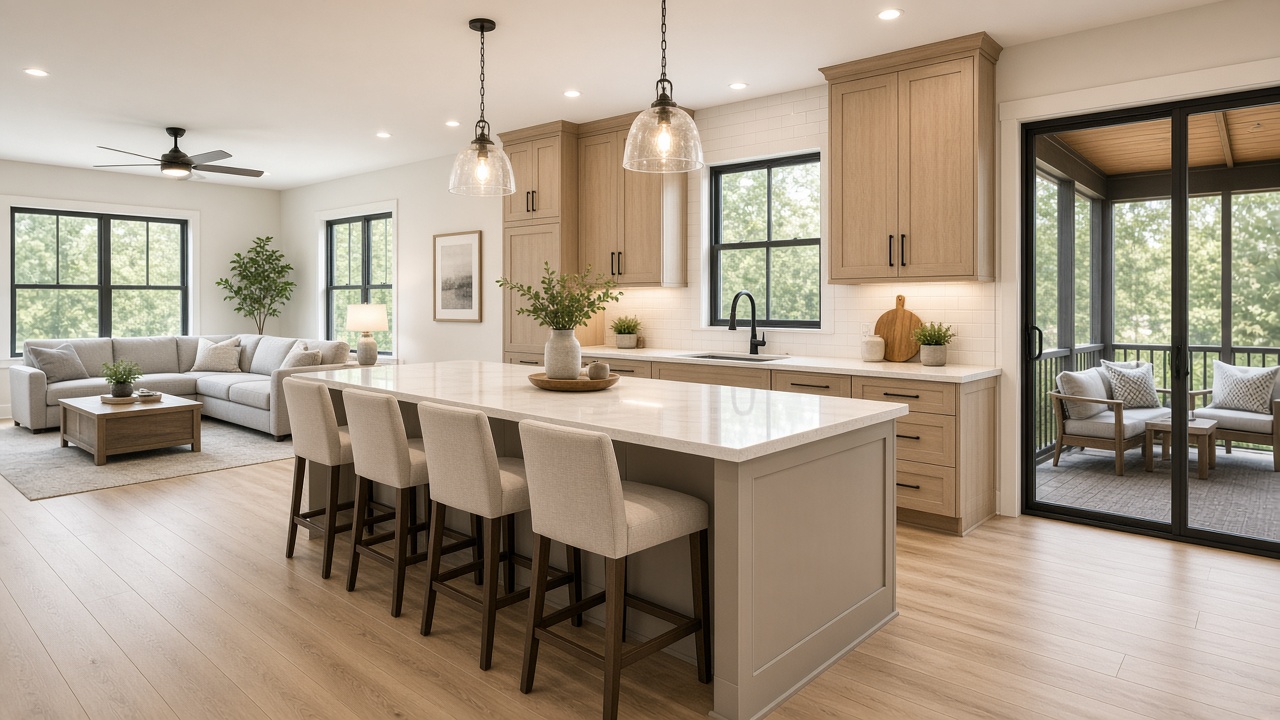
Which New Construction Upgrades Are Worth Paying For in Charlotte?
Short answer: pay the builder for the upgrades that are hard, messy, or impossible to add after closing, and skip the ones you can easily swap later. Structural options (an extra bedroom or bath, a covered or screened porch, a longer garage), anything behind the walls (electrical, plumbing rough-ins, low-voltage wiring, insulation), and whole-house flooring usually belong on your builder contract. Paint, light fixtures, faucets, hardware, and backsplash tile can usually wait. The bigger goal is to stay in step with what buyers expect in your community, so your upgrades help you at resale instead of sitting above what an appraiser will credit.
Why does the timing of upgrades matter on a new build?
On a new construction home, almost every choice gets locked in at two moments: when you sign the contract (structural options) and at your design center appointment (finishes). Once framing and drywall are done, changes are either not allowed or expensive.
That's why a dollar spent at the design center isn't the same as a dollar spent later. Builder upgrades are usually rolled into your purchase price and financed with your mortgage, so you pay for them over the life of the loan. Design center pricing can also run higher than what a local contractor might charge for the same finish after closing. The trick is knowing which items are worth that premium because of when they have to happen, not just what they are.
Which upgrades are worth paying the builder for?
Structural options
These are the hardest to add later and often the most valuable at resale:
- An extra bedroom, bath, loft, or flex room offered on the floor plan
- Covered patios, screened porches, or sunrooms, which matter a lot in our Carolina climate
- Garage extensions for storage, a workshop, or a larger vehicle
- Taller ceilings, extra windows, or a morning room bump-out, if the plan offers them
Behind-the-walls items
Once the drywall is up, these become patch-and-repaint projects:
- Extra electrical outlets, recessed lighting, and ceiling fan pre-wires in bedrooms and living areas
- A dedicated garage circuit if you think you may ever want an EV charger
- Low-voltage and data wiring for a home office, TV walls, or security cameras
- Plumbing rough-ins, such as a utility sink, a future basement or bonus-room bath, or a gas line to the patio for a grill
- Insulation, HVAC, and energy-efficiency upgrades, which can affect comfort and utility bills every month you live there
Flooring throughout the main living areas
Flooring sits in a gray area. You can replace carpet later, but redoing an entire main floor means moving furniture and living through a project. If you know you want hard-surface flooring through the main level, putting it in the contract is often worth it.
Which upgrades can wait until after you close?
These are easy to change once you own the home, and they're often less expensive to do on your own timeline:
- Interior paint colors and accent walls
- Light fixtures, faucets, and cabinet hardware
- Backsplash tile
- Window treatments and closet systems
- Landscaping beyond what the builder includes
- Garage storage, shelving, and epoxy floors
If cash at closing is tight, these are the items to save for. You'll also get a better feel for how you actually use the house before spending on them.
What about kitchens, cabinets, and countertops?
Kitchens sell homes, so it's tempting to max them out. A balanced approach works best. Cabinet layout and size (taller uppers, an added island, extra pantry space) are hard to change later and usually worth considering. Countertop material and cabinet color are easier to update down the road. Before your design center visit, look at what the builder's model home and recently sold homes in the same community include, so you choose finishes that fit the neighborhood instead of outpacing it.
Do upgrades add value when you sell in the Charlotte Metro?
Some do, many don't dollar-for-dollar. Appraisers compare your home to similar homes nearby, and they may not credit every upgrade at what you paid. If the total contract price climbs above the appraised value, you may need to cover the gap in cash.
Resale also matters. In fast-growing towns like Huntersville, Mooresville, Concord, Indian Trail, and Waxhaw, your future buyers will often compare your home with brand-new homes from the same builder down the street. Practical upgrades that buyers notice right away, such as an extra bedroom, a screened porch, or good flooring, tend to hold their appeal better than highly personal finishes.
Can builder incentives help pay for upgrades?
Often, yes. Many builders offer incentives that can be used toward design center upgrades, closing costs, or a mortgage rate buydown, and some tie those incentives to their preferred lender. Before you spend an incentive on upgrades, compare the options side by side. A closing cost credit or a lower rate may save you more over time than a nicer countertop. You can see current Charlotte builder incentives here.
How do I set an upgrade budget before the design center?
- Know your real budget first. Upgrades usually raise your loan amount, so get pre-qualified and ask your lender how upgrades affect your payment.
- Get the builder's upgrade price list early, ideally before you sign, and find out the deadlines for each selection.
- Rank your list: structural and behind-the-walls first, flooring second, cosmetic last.
- Check the community comps with your agent so your total price stays in line with the neighborhood.
- Bring your agent into the conversation. An agent can help you weigh upgrades against incentives and keep an eye on appraisal risk.
Prefer to skip the design center entirely? A quick move-in home already has its selections made, and builders are sometimes more flexible on homes that are finished or nearly finished. Browse Charlotte quick move-in homes, or start with a full new construction home search across the Charlotte Metro.
FAQ
What new construction upgrades are worth it?
Upgrades that are hard to add after closing are usually worth it: structural options like an extra bedroom or screened porch, electrical and plumbing rough-ins, low-voltage wiring, insulation and HVAC improvements, and flooring through the main living areas.
Which new construction upgrades should I skip?
Cosmetic items that are easy to swap later, such as paint, light fixtures, faucets, cabinet hardware, backsplash tile, window treatments, and closet systems, can usually wait until after you close.
Do design center upgrades increase appraised value?
Some do, but rarely dollar-for-dollar. Appraisers compare your home with similar nearby homes. If your upgrades push the price above the appraised value, you may need to bring more cash to closing to cover the difference.
Can I use builder incentives for upgrades?
Often, yes. Many builders let you apply incentives to upgrades, closing costs, or a rate buydown. Compare all three before deciding, because a lower rate or closing cost help may save you more over time.
Can I add upgrades after the house is built?
Cosmetic upgrades, yes. Structural changes and anything inside the walls are much harder and more expensive once construction is finished, which is why those are worth deciding on before you sign or at the design center.
Planning a new build anywhere in the Charlotte Metro? Text or call Steve Dalia at (954) 415-4515 or email smdalia@inboundcarolina.com before your design center appointment, and he'll help you sort the must-haves from the nice-to-haves. Want a head start? Grab the free New Construction Buyer's Guide.